What is the net worth of david rockefeller – As one of the world’s most influential families, the Rockefellers have been synonymous with wealth and power for generations. But what about the man at the helm, David Rockefeller? At the ripe age of 100, his legacy is a testament to the enduring allure of capitalism and the complexities of building – and maintaining – a family fortune. As we delve into the labyrinthine world of high finance, real estate, investments, and philanthropy, we’re compelled to ask: what exactly is the net worth of David Rockefeller?
From humble beginnings as a banker to his current status as a billionaire, David Rockefeller’s journey to the pinnacle of success has been a long and winding road filled with twists and turns that mirror the turbulent landscape of global economics.
Sources of David Rockefeller’s Wealth Accumulation

David Rockefeller’s vast wealth was built upon a combination of inheritance, business ventures, investments, and philanthropy. As a member of the wealthy Rockefeller family, David inherited a significant portion of his wealth from his father, John D. Rockefeller, who founded Standard Oil of New Jersey, also known as ExxonMobil.
The Rockefeller Family Legacy and Standard Oil
The Rockefeller family’s business empire began with the standardization of oil production and refining processes. John D. Rockefeller and his brother William built a vast oil refining network that dominated the industry in the late 19th and early 20th centuries. Standard Oil’s success was largely due to the brothers’ strategic business practices, innovative marketing techniques, and efficient production methods. After the Standard Oil trust was dissolved in 1911, the Rockefeller family retained ownership of many smaller refining operations, including ExxonMobil, which would eventually become one of the world’s largest energy companies.
The 1976 Reorganization and Rockefeller Center, What is the net worth of david rockefeller
In 1976, the Rockefeller family reorganized their business holdings, leading to the creation of Rockefeller Center, a large commercial complex in New York City. This venture marked a significant shift in the family’s business focus, from solely energy-related investments to more diversified holdings. The 1976 reorganization also involved the separation of the family’s philanthropic efforts, which would eventually become the David Rockefeller Fund.
David Rockefeller’s Business Ventures and Investments
Throughout his career, David Rockefeller was involved in numerous business ventures and investments. He played a crucial role in the growth and development of Chase Manhattan Bank, which his father had founded in 1877. David served as the bank’s chairman and CEO from 1969 to 1981, overseeing significant expansions and strategic partnerships. In addition to his work at Chase Manhattan, David invested in various companies, including IBM, Apple, and DuPont.
His business acumen and connections with other wealthy families and business leaders enabled him to build a vast network of relationships and investments that contributed significantly to his wealth accumulation.
Philanthropy and the David Rockefeller Fund
As a dedicated philanthropist, David Rockefeller founded the David Rockefeller Fund in 1982. The fund supported various initiatives, including education, conservation, and economic development projects. David also served on the board of the Rockefeller Foundation, a leading philanthropic organization established by his father in 1913. Through his philanthropic efforts, David Rockefeller aimed to address pressing global issues and promote sustainable development.
Impact on ExxonMobil
ExxonMobil’s growth and influence during David Rockefeller’s lifetime were significant. As the company expanded its operations globally and diversified its portfolio, it became one of the world’s largest and most influential oil and gas companies. David’s involvement with ExxonMobil, as a descendant of John D. Rockefeller and a member of the company’s leadership, helped shape the company’s strategic direction and business practices.
His connections and influence within the company and the energy industry as a whole facilitated ExxonMobil’s continued growth and success.
Legacy and Impact
David Rockefeller’s legacy extends far beyond his wealth and business ventures. His involvement in philanthropy and charitable efforts has had a lasting impact on the global community, particularly in the areas of education, conservation, and economic development. As a prominent figure in the Rockefeller family, David continued his family’s commitment to business innovation, strategic leadership, and philanthropic efforts. His net worth, while massive, is just one measure of his immense influence and lasting impact on the world.
Philanthropic Efforts and Net Worth Implications

David Rockefeller’s philanthropic endeavors have been a cornerstone of his life’s work, reflecting his commitment to giving back to society. With a net worth estimated to be in the billions, his charitable efforts have had a significant impact on the community, showcasing the potential for wealth to be used for good. The Rockefeller Charitable Trust, established by David’s father, John D.
Rockefeller Jr., has become a model for his own philanthropic endeavors. This trust has donated millions of dollars to various causes over the years, demonstrating the significant role philanthropy can play in addressing social and humanitarian issues.As one of the most prominent philanthropists of his time, David Rockefeller’s efforts have had a lasting impact on the community, highlighting the benefits of strategic philanthropy.
By investing in initiatives that address pressing issues, such as healthcare, education, and environmental conservation, David Rockefeller has demonstrated the potential for philanthropy to be a powerful catalyst for positive change. His commitment to social responsibility has not only left a lasting legacy but has also influenced his own wealth, showcasing the tax benefits and potential for increased wealth through strategic investments.
Establishment of the Rockefeller Charitable Trust
The Rockefeller Charitable Trust, established in 1926, has been a cornerstone of the family’s philanthropic efforts, focusing on issues related to education, healthcare, and conservation. With a vast endowment, the trust has been instrumental in supporting projects and initiatives that address pressing social and humanitarian concerns. Over the years, the trust has donated millions of dollars to a wide range of organizations and initiatives, demonstrating the significant impact that philanthropy can have on the community.Here are some of the key initiatives supported by the Rockefeller Charitable Trust:
- The American Museum of Natural History: The Rockefeller family has a long-standing relationship with the American Museum of Natural History in New York City, with contributions totaling over $50 million.
- The Harvard University Endowment: David Rockefeller served as a trustee for Harvard’s endowment, contributing to the university’s commitment to advancing knowledge and education.
- The World Wildlife Fund: David Rockefeller has been a long-time supporter of the World Wildlife Fund, contributing to conservation efforts and protecting endangered species.
- The Lincoln Center for the Performing Arts: David Rockefeller has been instrumental in supporting the creation of the Lincoln Center for the Performing Arts in New York City, providing significant funding for the project.
The Rockefeller Charitable Trust has also established programs to address pressing social issues, including:
Tax Benefits and Strategic Investments
Philanthropy can have a direct impact on an individual’s wealth, offering significant tax benefits and potential for increased wealth through strategic investments. By donating to qualified charitable organizations, individuals can reduce their taxable income, potentially lowering their tax liability. Strategic investments, such as those made through the Rockefeller Charitable Trust, can also generate returns that can be reinvested in the trust or used to support charitable endeavors.Here are some examples of the benefits of philanthropy:
| Tax Benefits | Strategic Investments |
|---|---|
| Reduced Tax Liability | Potential for Increased Wealth |
| Donations can reduce taxable income, potentially lowering tax liability | Strategic investments can generate returns that can be reinvested in the trust or used to support charitable endeavors |
By exploring the tax benefits and strategic investments of philanthropy, David Rockefeller has demonstrated the potential for wealth to be used for good, leaving a lasting legacy and influencing his own wealth in the process.
As philanthropy becomes an increasingly important aspect of our society, it’s essential to understand its impact on individual wealth and the community at large.
Global Financial Networks and David Rockefeller’s Wealth
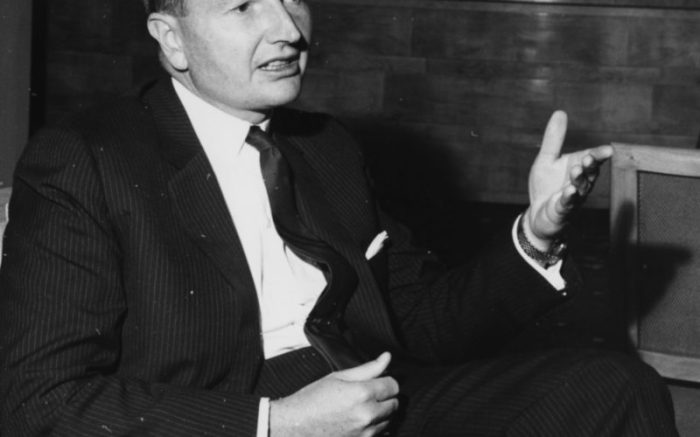
David Rockefeller’s membership in the elite financial networks, including the Bilderberg Group and the Trilateral Commission, played a significant role in his wealth accumulation and global influence. As a key figure in these powerful organizations, he was able to shape economic policies and stay ahead of the curve in investment opportunities. His connections within these networks granted him access to exclusive information and strategic partnerships, further fueling his family’s business interests.
The Bilderberg Group
The Bilderberg Group, an annual conference of influential policymakers and business leaders, has been a breeding ground for global power brokers like David Rockefeller. Founded in 1954, the group’s primary objective is to facilitate cross-border discussions on pressing global issues. Through his involvement with the Bilderberg Group, Rockefeller maintained strong connections with world leaders and industry stalwarts, fostering an environment where his family’s business interests could flourish.
- Access to exclusive information: Bilderberg Group members shared valuable insights on emerging trends and investment opportunities, allowing Rockefeller to stay informed and adapt his business strategies accordingly.
- Networking opportunities: The group’s gatherings provided a platform for Rockefeller to connect with influential individuals and build lasting relationships, ultimately expanding his network and solidifying his position in the global financial landscape.
The Trilateral Commission
Concurrently, David Rockefeller’s involvement with the Trilateral Commission, established in 1973, demonstrated his commitment to shaping international economic policies. This private organization brought together prominent individuals from North America, Europe, and Asia to address pressing global challenges. Through his membership, Rockefeller played a key role in shaping economic policies that benefited his family’s business interests.
- Economic policy influence: As a Trilateral Commission member, Rockefeller contributed to the development of policies that addressed global economic disparities and facilitated the expansion of international trade.
- Access to strategic partnerships: The commission’s networking opportunities allowed Rockefeller to form alliances with like-minded individuals, creating a fertile ground for joint business ventures and investments.
Global Financial Institutions
David Rockefeller’s connections within the World Bank and the International Monetary Fund (IMF) further solidified his family’s influence on global economic policies. These institutions, established to facilitate international cooperation and financial stability, have historically been instrumental in shaping economic policies that benefit the interests of powerful nations and corporations.
| Organization | Role in shaping economic policies |
|---|---|
| World Bank | The World Bank, created to provide development loans and technical assistance to emerging economies, has often prioritized projects that benefit the interests of powerful nations and corporations. |
| International Monetary Fund (IMF) | The IMF, established to promote international monetary cooperation and exchange stability, has frequently implemented policies that favor powerful economies and corporations over those of developing nations. |
The UnyieldingLegacy of the Rockefeller Family

The Rockefeller family legacy is a testament to the enduring power of strategic planning, effective philanthropy, and a commitment to preserving family values across generations. As the scion of one of America’s most influential and wealthiest families, David Rockefeller’s net worth was shaped by the guiding principles and entrepreneurial spirit of his father, John D. Rockefeller Jr.
At the heart of the Rockefeller family’s success lies a profound understanding of the importance of family unity and cooperation. From the early 20th century onwards, David Rockefeller’s father, John D. Rockefeller Jr., played a pivotal role in shaping the family’s business strategies and philanthropic endeavors.
Pivotal Figures and Their Influence on the Rockefeller Legacy
-
The early 20th century saw John D. Rockefeller Jr. take the reins of the Standard Oil Company, guiding the conglomerate towards a more stable and secure future. His visionary leadership and shrewd business acumen paved the way for the family’s subsequent achievements.
-
David Rockefeller’s sister, Abby Aldrich Rockefeller, made significant contributions to the arts, serving as a founding trustee of the Museum of Modern Art (MoMA) in New York City. Her efforts helped establish the institution as a global leader in modern and contemporary art.
-
The Rockefeller family’s philanthropic endeavors have been guided by a deep commitment to social responsibility and community development. Through the Rockefeller Foundation, established in 1913, the family has addressed pressing global issues, including poverty, hunger, and disease.
The Rockefeller family’s ability to balance business and philanthropic pursuits has been a hallmark of their enduring success. By prioritizing family values and long-term strategic planning, David Rockefeller’s net worth reflects the family’s unwavering dedication to building a lasting legacy.
Maintaining Family Wealth: The Complex Responsibility of Managing Massive Fortunes
The challenges of preserving family wealth are a testament to the complexities of managing massive fortunes. As family wealth grows, so do the responsibilities that come with it. The Rockefeller family’s experiences offer valuable insights into the delicate balance between preserving family values and navigating the intricacies of global finance.
-
The Rockefeller family’s commitment to philanthropy has been instrumental in shaping the global conversation around social responsibility and community development.
-
Effective family businesses and strategic investments have allowed the Rockefellers to maintain their wealth while continuing to contribute positively to society.
-
The family’s willingness to adapt to changing circumstances and evolve their business strategies has been crucial in ensuring their enduring success.
The Rockefeller family legacy serves as a powerful reminder of the importance of family values, strategic planning, and a commitment to social responsibility. As we reflect on the enduring impact of David Rockefeller’s net worth, we are reminded of the transformative power of family unity and cooperation in shaping the course of human history.
Common Queries: What Is The Net Worth Of David Rockefeller
What was David Rockefeller’s inheritance?
David Rockefeller inherited a substantial sum of money and assets from his father, John D. Rockefeller Jr. This inheritance laid the foundation for his future wealth and business ventures.
How did Standard Oil of New Jersey contribute to David Rockefeller’s wealth?
Standard Oil of New Jersey, later known as ExxonMobil, played a significant role in David Rockefeller’s wealth accumulation. The company, with its ties to the Rockefeller family, provided lucrative investment opportunities and influenced global economic policies that impacted his wealth.
What is the significance of the Rockefeller Charitable Trust?
The Rockefeller Charitable Trust was established by David Rockefeller to donate millions of dollars to various causes. This philanthropic effort not only demonstrates his commitment to giving back to the community but also illustrates how strategic charitable giving can impact one’s wealth and legacy.
How has David Rockefeller’s membership in elite financial networks contributed to his wealth and influence?
As a member of the Bilderberg Group and the Trilateral Commission, David Rockefeller had unparalleled access to global financial networks, allowing him to stay ahead of the curve in terms of investment opportunities and market trends.
What is the current state of David Rockefeller’s net worth?
Detailed analysis of David Rockefeller’s current net worth reveals a wealth distribution across various assets, including stocks, real estate, and other investments. External factors such as market trends and investments gains have influenced his net worth growth in recent years.
