Is 300k net worth at 30 good – Is $300,000 net worth at 30 good? This question sparks a narrative that unravels like a tantalizing thriller, weaving threads of financial stability, wealth-building strategies, and self-discovery. At 30, reaching this milestone can significantly impact future financial stability, and understanding the significance of compound interest is crucial in this endeavor.
Research indicates that high-income earners who achieve financial independence before 30 tend to have higher savings rates than their peers. To shed light on this phenomenon, we’ll delve into the common obstacles that may hinder young adults from saving sufficiently and examine strategies for building and investing a $300,000 net worth.
Understanding the Concept of a $300,000 Net Worth by 30
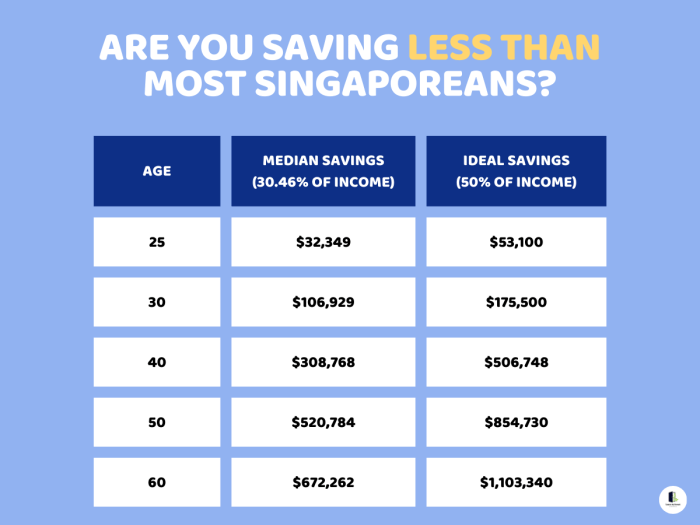
Achieving a significant net worth at a young age is a testament to one’s financial discipline and strategic decision-making. This milestone can have a profound impact on future financial stability, as it allows individuals to build a safety net, pursue their passions, and make informed investment decisions. In the context of a $300,000 net worth by 30, it’s essential to consider the role of compound interest and high-income savers who have achieved financial independence.The power of compound interest lies in its ability to accelerate wealth growth over time.
By leveraging compound interest, individuals can see their savings snowball into a substantial sum, thanks to the magic of exponential growth. For instance,
$100,000 saved at a 7% annual interest rate can grow to over $250,000 in just 20 years
, demonstrating the impressive potential of compound interest.
High-Income Earners who Achieve Financial Independence before 30
High-income earners who achieve financial independence before the age of 30 often exhibit exceptional financial discipline and a keen understanding of wealth-building strategies. Statistics reveal that these individuals tend to have significantly higher savings rates compared to their peers. According to a study by the Federal Reserve, high-income earners who achieve financial independence before 30 tend to have:
- a median savings rate of 30% or higher
- a higher likelihood of investing in tax-advantaged accounts, such as 401(k) or IRA
- a stronger focus on retirement savings and long-term wealth creation
These habits enable high-income earners to build a substantial net worth, allowing them to pursue their passions and interests without financial stress. By emulating these strategies, individuals can increase their chances of achieving a $300,000 net worth by 30 and securing a solid foundation for long-term financial stability.
Role of Compound Interest in Wealth Building
Compound interest plays a vital role in helping individuals build wealth over time. As savings grow, interest accumulates, and the principal amount increases, accelerating wealth creation. To illustrate this phenomenon, consider the following example:
| Year | Initial Savings | Interest Earned | Total Balance |
|---|---|---|---|
| 1 | $10,000 | $700 | $10,700 |
| 2 | $10,700 | $748 | $11,448 |
| 3 | $11,448 | $798 | $12,246 |
As shown, the total balance grows exponentially, demonstrating the power of compound interest in wealth creation. By harnessing this force, individuals can achieve a substantial net worth and secure a comfortable financial future.
Struggling to Get There: Common Obstacles to Reaching a $300,000 Net Worth by 30

Reaching a $300,000 net worth by 30 is a formidable goal that requires discipline, patience, and a deep understanding of personal finance. For young adults, the journey to achieving this milestone can be marked by numerous obstacles, from debt and financial ignorance to lifestyle expenses and career uncertainty. In this section, we’ll delve into the common hurdles that prevent individuals from reaching their financial goals and explore strategies for overcoming these challenges.
Debt: The Heavy Weight on Young Adults’ Shoulders
Debt is a pervasive problem that affects many young adults, often stemming from student loans, credit card balances, and personal loans. According to a recent study, the average student loan debt in the United States has surpassed $31,300. The burden of debt can be overwhelming, making it difficult to prioritize savings and investments.
- The snowball method: Paying off high-interest debt first, such as credit card balances, can provide a sense of accomplishment and momentum.
- Debt consolidation: Merging multiple debts into a single, lower-interest loan can simplify payments and reduce financial stress.
- Automating payments: Setting up automatic payments can help individuals stay on top of their debt obligations and avoid late fees.
- Consider a side hustle: Taking on a part-time job or freelancing can help generate additional income to put towards debt repayment.
The Financial Ignorance Trap
Financial ignorance can be a significant obstacle to reaching a $300,000 net worth by 30. Many young adults lack a deep understanding of personal finance, investment strategies, and tax planning. This knowledge gap can lead to poor financial decisions, such as investing in get-rich-quick schemes or neglecting to optimize tax-advantaged accounts.
- Stocks vs. Real Estate: Understanding the differences between these two investment options can help young adults make informed decisions.
- Tax-advantaged accounts: Utilizing tax-deferred accounts, such as 401(k) or IRA, can provide significant long-term benefits.
- Education and research: Continuously learning about personal finance and investment strategies can empower young adults to make informed decisions.
The Lifestyle Trap: Keeping Up with the Joneses
The pressure to maintain a certain lifestyle can be a significant obstacle to achieving a $300,000 net worth by 30. Young adults may feel compelled to keep up with their peers, whether it’s through expensive cars, luxurious vacations, or high-end clothing. However, this lifestyle can be unsustainable and lead to financial struggles.
- Define your values: Identifying personal values and priorities can help young adults make intentional decisions about their spending.
- Track expenses: Regularly tracking expenses can help individuals understand where their money is going and make adjustments accordingly.
- Avoid lifestyle inflation: As income increases, avoid the temptation to inflate lifestyle expenses by making intentional spending decisions.
Career Uncertainty: Job Hopping and Financial Instability
Career uncertainty can be a major obstacle to achieving a $300,000 net worth by 30. Job hopping, frequent career changes, or uncertainty about career advancement can make it difficult for young adults to plan for the future.
- Develop in-demand skills: Focusing on developing skills in high demand can help individuals navigate the job market with confidence.
- Build a side hustle: Creating multiple income streams can help young adults weather financial uncertainty and job insecurity.
- Consider entrepreneurship: Pursuing entrepreneurial ventures can provide a sense of fulfillment and financial stability.
Overcoming Obstacles: A Path to Financial Success
While reaching a $300,000 net worth by 30 is a challenging goal, it’s not impossible. By understanding the common obstacles that stand in the way, young adults can take proactive steps to overcome these challenges and achieve financial success.
“Financial freedom is not just about having enough money to live comfortably, it’s about having the autonomy to live life on your terms.”
Strategies for Building and Investing a $300,000 Net Worth: Is 300k Net Worth At 30 Good

Achieving a $300,000 net worth by 30 requires a combination of strategic investments, smart financial planning, and a deep understanding of personal finance. In this section, we’ll explore the most effective strategies for building and investing a $300,000 net worth. Investing in a diversified portfolio is a crucial step in building wealth. A well-diversified portfolio typically includes a mix of low-risk investments, such as bonds and CDs, and higher-risk investments, such as stocks and real estate.
By spreading investments across different asset classes, you can minimize risk and maximize returns.
Diversifying Investments
A diversified portfolio can be achieved through various investment vehicles, including:
- Stocks: Investing in stocks, particularly through index funds or ETFs, can provide long-term growth potential. The S&P 500, for example, has historically returned around 7-8% per year over the past few decades.
- Bonds: Bonds offer a relatively low-risk investment option with regular income. Government and corporate bonds can provide a predictable stream of income, while also offering a low-risk investment option.
- Real Estate: Investing in real estate, either through direct property ownership or real estate investment trusts (REITs), can provide a steady income stream and potential long-term appreciation in value.
- Cash Alternatives: Cash alternatives, such as savings accounts, money market funds, or short-term bonds, can provide liquidity and low-risk returns.
By allocating investments across different asset classes, you can reduce risk and increase potential returns. A simple rule of thumb is to allocate 60% of your portfolio to stocks, 30% to bonds, and 10% to real estate.
Maximizing Income through Career Development and Side Hustles
Building a $300,000 net worth requires a significant increase in income. This can be achieved through career development, side hustles, or a combination of both.
- Career Advancement: Invest in professional development and seek opportunities for career advancement. This can lead to higher salaries, bonuses, and benefits.
- Side Hustles: Develop a side hustle, such as freelancing, consulting, or part-time entrepreneurship, to increase income potential.
- Entrepreneurial Ventures: Consider starting a small business or investing in a side business to increase income potential.
Utilizing Tax-Advantaged Retirement Accounts
Utilizing tax-advantaged retirement accounts, such as a 401(k) or IRA, can help you build wealth over time while minimizing taxes. Contributions to a 401(k) are tax-deductible, reducing taxable income and allowing for faster growth of your investments.
Compound Interest: Invest for the long-term and benefit from compound interest, which can double your investment over a period of 7-10 years.
By utilizing a combination of tax-advantaged accounts, diversifying investments, and maximizing income through career development and side hustles, you can achieve a $300,000 net worth by 30.
Creating a Long-Term Action Plan
Building a $300,000 net worth requires a long-term action plan, a clear understanding of personal finances, and a willingness to adapt to changing circumstances.
- Set Clear Goals: Set specific, measurable, and achievable goals for building a net worth of $300,000.
- Create a Budget: Develop a budget that allocates income towards savings, investments, and debt repayment.
- Monitor Progress: Regularly review and adjust your investment strategy, career development, and side hustles to achieve your goals.
By following these strategies and staying committed to your goals, you can build a $300,000 net worth by 30 and achieve financial freedom.
Comparing the Financial Outcomes of Different Career Paths

In the pursuit of a $300,000 net worth by 30, career choice plays a significant role in determining one’s financial outcomes. A well-paying job can accelerate wealth accumulation, while a lower-paying job can hinder progress. In this article, we’ll delve into the world of career paths, exploring how different choices impact earning potential and financial stability.
Average Salaries by Industry
Research suggests that certain industries tend to offer higher paying jobs than others. According to data from the Bureau of Labor Statistics (BLS), the top-paying industries in the United States include:
- Investing and Securities: Median annual salary of $128,000
- Law: Median annual salary of $144,530
- Medicine: Median annual salary of $208,000+
- Engineering: Median annual salary of $105,000+
- Computer Science: Median annual salary of $124,000+
It’s essential to note that salaries can vary widely depending on factors such as location, experience, and company size.
Entrepreneurship vs. Corporate America
Entrepreneurship and corporate America represent two distinct career paths with differing financial implications. Entrepreneurs can potentially earn higher rewards, but their earning potential also comes with increased risk. On the other side, corporate America provides stability and a predictable salary, although it may not offer the same level of financial upside.
Education vs. Vocational Training
Pursuing higher education or vocational training can significantly impact one’s earning potential. According to data from the National Center for Education Statistics (NCES), workers with a bachelor’s degree typically earn around $45,000 more than those with only a high school diploma. However, vocational training can also lead to higher-paying jobs, especially in fields such as IT and healthcare.
Key Takeaways
When it comes to achieving a $300,000 net worth by 30, career choice is a crucial factor. By considering industries, entrepreneurship, education, and vocational training, individuals can make informed decisions about their financial futures.
“The best investment on earth is the investment in yourself, the most valuable commodity you’ll ever own.”
Warren Buffett
Investing in Oneself
Investing in oneself, whether through education or vocational training, can lead to higher earning potential and increased financial stability. By prioritizing personal and professional development, individuals can make proactive strides towards achieving their financial goals.
Conclusion
Ultimately, the financial outcomes of different career paths depend on a combination of factors, including industry, experience, and education. By making informed decisions about one’s career and investing in oneself, individuals can take control of their financial futures and work towards achieving a $300,000 net worth by 30.
Managing Lifestyle Choices and Spending Habits to Accommodate a $300,000 Net Worth by 30

Achieving a net worth of $300,000 by 30 requires more than just a steady income – it demands a clear understanding of one’s spending habits and lifestyle choices. As we dive into the world of personal finance, it becomes apparent that avoiding lifestyle inflation and living below one’s means are essential components of this journey.
Avoiding Lifestyle Inflation
Lifestyle inflation refers to the tendency to increase spending in line with growing income. While it may seem appealing to indulge in luxuries as we earn more, this approach can quickly derail our financial goals. Think of it like a game of catch-up: the more we earn, the more we spend, and the further behind our savings goals we fall.
-
Raise your own bar, don’t let your income dictate your spending habits.
This mindset shift is crucial in avoiding lifestyle inflation.
-
Track your expenses and categorize them to identify areas where you can cut back.
This habit will help you understand how your money is being spent and make informed decisions.
-
Cultivate an entrepreneurial spirit and explore ways to increase your income, such as side hustles or investments.
By growing your income, you’ll have more room to maneuver in your budget and invest in your future.
Living Below Your Means
Living below your means means choosing to allocate your resources in a way that aligns with your financial goals. This involves being intentional about how you spend your money and making conscious decisions that support your vision for the future.
-
Set clear financial goals and prioritize them.
By outlining what you want to achieve, you can make more informed decisions about how to allocate your resources.
-
Practice delayed gratification and prioritize saving and investing over short-term indulgences.
This patience will pay off in the long run as your savings and investments compound over time.
-
Serve your needs, not your wants.
When faced with a decision, ask yourself if the item or experience serves a genuine need rather than a want.
Maintaining a Healthy Work-Life Balance
Maintaining a healthy work-life balance is crucial for reducing stress and increasing productivity. By striking a balance between your professional and personal life, you’ll be better equipped to manage your finances and make progress toward your goals.
-
Establish a routine and set clear boundaries between your work and personal life.
This will help you prioritize your time and energy and make space for activities that nourish your mind, body, and spirit.
-
Make time for self-care and prioritize activities that promote relaxation and stress relief.
This may include exercise, meditation, or simply taking a walk in nature.
-
Nurture relationships with loved ones and prioritize quality time with them.
This will help you maintain a sense of connection and community, which is essential for overall well-being.
Investing in Personal Development, Is 300k net worth at 30 good
Investing in personal development is an investment in yourself and your financial future. By cultivating skills, knowledge, and a growth mindset, you’ll become more resilient and better equipped to navigate the ups and downs of life.
-
Pursue lifelong learning and education.
This may involve taking courses, attending workshops or conferences, or reading books on topics related to personal finance and entrepreneurship.
-
Practice self-reflection and introspection.
Regularly taking time to assess your values, goals, and motivations will help you stay focused and aligned with your vision.
-
Nurture a growth mindset and view challenges as opportunities for growth.
This mindset will serve you well in the face of adversity and help you stay adaptable and resilient.
It is only through consistent effort and dedication that we can achieve our financial goals. By avoiding lifestyle inflation, living below our means, maintaining a healthy work-life balance, and investing in personal development, we can create a solid foundation for long-term financial stability.
Commonly Asked Questions
Is having a $300,000 net worth by 30 realistic for everyone?
No, it’s not realistic for everyone. However, with careful planning, financial discipline, and a solid understanding of wealth-building strategies, it’s achievable for those who prioritize their financial goals.
Can I still achieve financial independence at 30 if I start from a lower income?
Yes, it’s entirely possible. High-income earners who achieve financial independence before 30 often have higher savings rates, but those starting from a lower income can still reach their goals with patience, dedication, and smart financial decisions.
What’s the best way to invest a $300,000 net worth by 30?
The best investment strategy depends on individual financial goals, risk tolerance, and time horizon. A diversified portfolio with a mix of low-risk investments, such as bonds and index funds, and higher-risk investments, like stocks and real estate, can help achieve long-term financial stability.
How does career development impact earning potential and financial stability?
Career development plays a significant role in earning potential and financial stability. Investing in education, skills enhancement, and networking can lead to increased income, career advancement opportunities, and financial growth.
