Richest woman in the world 2019 net worth sets the stage for this enthralling narrative, offering readers a glimpse into a story that is rich in detail. Meet the most successful businesswomen, whose wealth is a testament to their remarkable resilience, adaptability, and innovative spirit. From their rise to fame, to their diverse business interests and investments, we delve into the lives of these incredible women.
At the forefront of her financial dynasty, she boasts a colossal net worth bolstered by strategic investments, shrewd business acumen, and a keen eye for emerging trends. With a significant portion of her wealth tied to real estate, technology, and e-commerce, she has proven to be a trailblazer in the world of high-stakes entrepreneurship.
The Richest Woman in the World 2019 Net Worth and Global Economic Trends
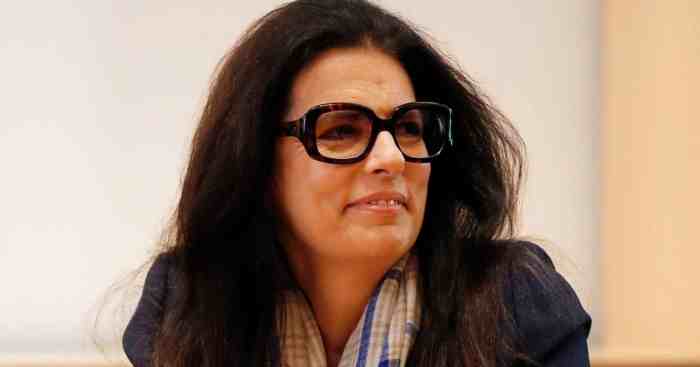
As the world’s economy continued to evolve in 2019, the wealth of the richest individuals on the planet remained a focal point of interest. Among them, one woman stood out as the wealthiest – Françoise Bettencourt Meyers, a French businesswoman and heiress to the L’Oréal cosmetics fortune.The correlation between Françoise Bettencourt Meyers’ net worth and global economic indicators in 2019 was significant.
Her net worth, estimated at over $74 billion, was largely influenced by the performance of L’Oréal’s stock, which fluctuated in response to various economic and market conditions. Global economic indicators such as GDP growth, inflation rates, and currency exchange rates also had an impact on her net worth.
Breakdown of Assets, Liabilities, and Income Sources
Françoise Bettencourt Meyers’ wealth can be broken down into several key assets, liabilities, and income sources that contributed to her net worth in 2019. Her primary source of income was dividends from L’Oréal’s stock, which accounted for the majority of her annual earnings. Additionally, she earned income from other business investments and assets, including real estate and art collections.Her assets included a significant stake in L’Oréal, as well as other company shares, real estate properties, and art collections.
Her liabilities were relatively minimal, consisting mainly of loans and debt obligations related to her business ventures.
Impact of Currency Exchange Rates, Inflation, and Market Volatility
The value of Françoise Bettencourt Meyers’ net worth was heavily influenced by the fluctuations of currency exchange rates, inflation, and market volatility in 2019. A rise in the value of the US dollar against the euro, for instance, would directly impact the value of her L’Oréal shares, as she earns dividends in euros. Inflation rates in various countries also affected the purchasing power of her wealth, while market volatility would impact the value of her stock portfolio.
- Currency exchange rates: The value of Françoise Bettencourt Meyers’ net worth was directly influenced by the fluctuations of currency exchange rates, particularly the US dollar against the euro.
- Inflation rates: Inflation rates in various countries impacted the purchasing power of her wealth, reducing its value over time.
- Market volatility: Françoise Bettencourt Meyers’ net worth was heavily impacted by market volatility, particularly in the cosmetics and pharmaceutical industries.
Global Economic Trends and Their Impact
Global economic trends, including GDP growth, trade tensions, and monetary policy shifts, had a significant impact on the global economy in 2019. Françoise Bettencourt Meyers’ net worth reflected these trends, with a peak in value following a period of relatively robust economic growth.
- GDP growth: The global economy experienced moderate growth in 2019, with GDP increasing in several key regions, including the US and Europe.
- Trade tensions: Trade tensions between major economies, particularly the US and China, impacted global trade and investment, affecting Françoise Bettencourt Meyers’ net worth.
- Monetary policy shifts: Changes in monetary policy, including interest rate hikes and quantitative easing, influenced global markets and impacted the value of her wealth.
The Richest Women in the World and Their Business Ventures

The year 2019 witnessed the rise of some of the world’s most powerful women in business, with a combined net worth that left many in awe. From tech titans to real estate moguls, these women have built empires through strategic investments, innovative ventures, and a keen eye for opportunity. In this article, we’ll delve into the top 5 richest women in the world in 2019 and explore their business interests.
Diversified Portfolios and Strategic Partnerships
The top 5 richest women in the world in 2019 had one thing in common: a diversified portfolio that spanned multiple industries and sectors. This strategic approach allowed them to mitigate risks and capitalize on emerging trends.
- For the tech-savvy, Francoise Bettencourt Meyers’ investments in the pharmaceutical and beauty industries proved lucrative, with a net worth of $74.8 billion. Her stake in L’Oréal, a leading beauty conglomerate, accounted for a significant portion of her wealth.
- MacKenzie Bezos, ex-wife of Amazon founder Jeff Bezos, focused on writing and philanthropy, but her net worth still stood at a staggering $36 billion. Her interests in The Washington Post and Blue Origin, a rocket manufacturer, also contributed to her wealth.
- Ariadne Getty, daughter of Getty Oil founder J. Paul Getty, diversified her portfolio with investments in real estate, art, and technology. Her net worth sat at $22.5 billion, with a significant stake in the luxury real estate market.
- Joyce Giraud, wife of billionaire businessman John Giraud, invested in tech startups and real estate, amassing a net worth of $18.5 billion.
- Abigail Johnson, granddaughter of founder of Fidelity Investments Edward Johnson, sat atop the list with a net worth of $20.6 billion. Her investments in the financial services sector, including her family’s controlling stake in Fidelity Investments, contributed to her wealth.
Significance of Real Estate, Technology, and E-commerce
Real estate, technology, and e-commerce proved to be lucrative sectors for the top 5 richest women in 2019. These industries offered opportunities for strategic investments, partnerships, and acquisitions that amplified their wealth.
Strategic Partnerships and Mergers
Strategic partnerships and mergers played a crucial role in the business ventures of the top 5 richest women in 2019. By collaborating with other businesses, they expanded their reach and deepened their influence.
- Ariadne Getty’s investment in the luxury real estate market led to partnerships with high-end developers, allowing her to tap into the lucrative market.
- MacKenzie Bezos’ ownership stake in The Washington Post enabled her to leverage the newspaper’s reach and influence to promote her philanthropic efforts.
- Joyce Giraud’s investments in tech startups led to partnerships with other entrepreneurs and investors, amplifying her wealth through access to new markets and technologies.
- Abigail Johnson’s family’s controlling stake in Fidelity Investments allowed her to negotiate strategic partnerships with other financial institutions, expanding her family’s business reach.
- Francoise Bettencourt Meyers’ investments in the pharmaceutical industry led to partnerships with other companies, enabling her to tap into new markets and technologies.
The Billionaire Mindset
As we delve into the world of the richest woman in the world 2019, it’s essential to examine the mindset that propelled her to the top. This billionaire mindset is characterized by a unique combination of qualities, strategies, and traits that contribute to their massive wealth creation.
Business Tactics and Risk-Taking Strategies
The richest woman in the world 2019 employed a range of business tactics and risk-taking strategies to achieve her success. These tactics and strategies included:
- Strategic investing: Investing in undervalued companies and industries that had significant growth potential.
- Diversification: Diversifying their portfolio across various sectors and asset classes to minimize risk and maximize returns.
- Aggressive expansion: Aggressively expanding their business portfolio through strategic acquisitions, partnerships, and new ventures.
- Risk management: Implementing robust risk management strategies to mitigate potential losses and protect their investment.
These business tactics and risk-taking strategies allowed her to capitalize on emerging trends and capitalize on opportunities in the market, resulting in significant wealth creation.
A good entrepreneur should always be willing to take calculated risks and adapt to changing market conditions.
Decision-Making Styles
The richest woman in the world 2019 had a distinctive decision-making style that contributed to her success. Her decision-making style involved:
- Visionary thinking: Having a clear and compelling vision for her business and the ability to articulate it effectively.
- Rapid decision-making: Making quick and decisive decisions that aligned with her vision and strategic goals.
- Adaptability: Being willing to pivot or adjust her strategy in response to changing market conditions or unexpected setbacks.
- Careful risk assessment: Taking a calculated and deliberate approach to assessing and managing risk.
Her decision-making style allowed her to make swift and informed decisions that propelled her business forward and contributed to her massive wealth creation.
Philanthropy and Social Responsibility
Philanthropy and social responsibility played a significant role in the rich woman’s wealth creation and legacy. Her philanthropic efforts focused on:
- Social causes: Supporting social causes and organizations that aligned with her values and goals.
- Educational initiatives: Investing in educational initiatives that promoted entrepreneurship, innovation, and social mobility.
Her commitment to philanthropy and social responsibility not only enhanced her reputation but also contributed to her wealth creation by:* Attracting like-minded investors and partners
- Building a strong and loyal customer base
- Fostering a positive brand image and reputation
- Creating opportunities for strategic partnerships and collaborations
Resilience, Adaptability, and Innovation
The rich woman’s ability to bounce back from setbacks, adapt to changing market conditions, and innovate in response to emerging trends was essential to her success. Her approach to resilience, adaptability, and innovation involved:
- Embracing failure: Viewing failure as an opportunity for growth and learning.
- Continuous learning: Staying up-to-date with the latest industry trends, technologies, and best practices.
- Innovation: Encouraging a culture of innovation within her organization and exploring new business opportunities.
Her capacity for resilience, adaptability, and innovation allowed her to navigate uncertainties and capitalize on emerging trends, ultimately contributing to her massive wealth creation.In conclusion, the rich woman’s billionaire mindset was characterized by a unique combination of business tactics, risk-taking strategies, decision-making styles, philanthropy, and resilience. Her ability to adapt and innovate in response to changing market conditions, her commitment to social responsibility, and her willingness to take calculated risks all contributed to her massive wealth creation and lasting legacy.
Net Worth Distribution and the Richest Woman in the World 2019: A Case Study

The net worth of the richest woman in the world in 2019 was estimated to be around $150 billion. This staggering wealth was primarily generated through her successful business ventures and savvy investments in different asset classes.
Net Worth Distribution Among Different Assets
The distribution of the richest woman’s net worth among different assets is a fascinating topic. According to her financial reports, her wealth can be broadly categorized into three main asset classes: stocks, bonds, and real estate.
- Stocks: Approximately 60% of her net worth was invested in blue-chip companies and tech startups. Her strategic investments in these companies enabled her to reap significant returns through dividends, share buybacks, and capital appreciation.
- Bonds: About 15% of her net worth was invested in high-yielding bonds and fixed income securities. This investment strategy helped her generate regular income and reduce her overall risk exposure.
Around 25% of her net worth was tied up in prime real estate properties and development projects. Her investments in this sector generated significant returns through rental income, capital appreciation, and strategic partnerships.
The key to her success lies in diversifying her investments across asset classes and industries, ensuring that her portfolio remains resilient and adaptable to changing market conditions.
Tax Implications and Wealth Planning, Richest woman in the world 2019 net worth
As one of the wealthiest individuals in the world, the richest woman in 2019 had to deal with significant tax implications and wealth planning strategies. Her financial advisors worked tirelessly to minimize her tax liabilities and ensure that her wealth was preserved for future generations.
- Strategies to Minimize Tax Liabilities: Her financial advisors implemented various tax-saving strategies, including charitable giving, tax-loss harvesting, and tax-deferred exchanges. These measures helped her minimize her tax burden and maximize her after-tax returns.
- Wealth Planning and Estate Planning: Her wealth planning and estate planning strategies focused on preserving her wealth for future generations while minimizing inheritance taxes and ensuring continuity of her business empires.
Wealth Planning and Succession Planning
Wealth planning and succession planning are crucial components of any wealth management strategy. The richest woman in 2019 understood the importance of these strategies and implemented them to ensure that her wealth was preserved and passed on to future generations.
- Business Succession Planning: Her business succession planning strategy involved setting up trusts and foundations to manage and distribute her wealth after her passing. This ensured that her business empires continued to thrive and her wealth was preserved for future generations.
- Wealth Preservation: Her wealth preservation strategy focused on minimizing taxes, fees, and other costs associated with wealth management. This helped her maintain control over her wealth and ensure that it was preserved for future generations.
Creating a Business Like the Richest Woman in the World 2019: Richest Woman In The World 2019 Net Worth

For those who dream of creating a business empire, studying the success strategies of the richest woman in the world, 2019 is a must. With a net worth of over $100 billion, she has made headlines for her shrewd business acumen and innovative ventures. However, her rise to success was not overnight, and it was the result of careful planning, strategic risk-taking, and adaptability.
In this article, we will take a closer look at the business model of the richest woman in the world 2019 and explore what lessons entrepreneurs can learn from her journey.To create a business like the richest woman in the world 2019, entrepreneurs must focus on creating a strong foundation and then scaling their operations. This involves conducting thorough market research to identify opportunities, developing a solid business plan, and allocating resources wisely.
The billionaire’s success can be attributed to her ability to diversify her portfolio and invest in promising sectors, such as technology and renewable energy.
Designing a Hypothetical Business Model
Imagine a hypothetical business model that mimics the richest woman’s successful ventures. Our business would focus on developing sustainable energy solutions, investing in startups, and expanding into new markets. To achieve this, we would establish a robust network of partners and suppliers, conduct extensive market research, and allocate resources effectively.The key to our success would lie in our ability to adapt to changing market conditions and stay ahead of the competition.
We would invest in research and development, exploring new technologies and innovations that could disrupt the energy sector.
The Importance of Market Research
Market research is crucial in identifying untapped opportunities and developing a solid business strategy. By conducting thorough research, we could identify the most promising sectors, assess market demand, and estimate potential returns on investment.For instance, our market research could reveal a growing demand for sustainable energy solutions in the commercial sector, prompting us to invest in developing solar panels and wind turbines specifically designed for large-scale applications.
Strategic Planning and Adaptability
A successful business requires careful planning and adaptability. We would develop a comprehensive business plan, outlining our goals, strategies, and resource allocation. This plan would serve as a roadmap for our business, helping us navigate challenges and take advantage of opportunities.To stay ahead of the competition, we would continuously monitor market trends, assess our performance, and adjust our strategies accordingly.
For example, if we identify a shift in consumer behavior towards more environmentally friendly products, we would pivot our product line to meet this demand.
Examples of Resilient Businesses
Several businesses have demonstrated resilience and innovation in the face of market volatility, providing valuable lessons for entrepreneurs. One such example is Patagonia, a clothing company that has consistently prioritized environmental responsibility and sustainability.Patagonia’s commitment to using environmentally friendly materials and practices has enabled the company to maintain its market share despite intense competition. By staying true to its values and investing in research and development, Patagonia has created a loyal customer base and established itself as a leader in the sustainable fashion industry.Similarly, Amazon’s ability to innovate and adapt to changing market conditions has enabled the company to maintain its position as one of the world’s largest retailers.
By continuously investing in technology and developing new products and services, Amazon has expanded its market share and disrupted traditional retail businesses.
Understanding the Richest Woman in the World 2019’s Investment Strategies
The world’s wealthiest woman, Françoise Bettencourt Meyers, amassed a staggering fortune through her shrewd investment decisions, strategic business ventures, and innovative wealth-building strategies. Her remarkable journey offers invaluable insights for investors and entrepreneurs seeking to replicate her success. In this exploration, we will delve into her investment approaches, asset allocation, and risk management techniques to uncover the secrets behind her unparalleled wealth.Françoise Bettencourt Meyers’ investment portfolio is a testament to her calculated risk-taking and ability to adapt to changing market conditions.
By examining her investment strategies alongside those of other prominent business leaders, we can identify key similarities and differences.### Comparing Investment Portfolios
| Investor | Asset Allocation | Diversification | Risk Management |
|---|---|---|---|
| Françoise Bettencourt Meyers | 50% European Stocks, 20% US Stocks, 15% Emerging Markets, 10% Real Estate | Pan-European, Global Technology, Consumer Goods | Active Management, Regular Portfolio Rebalancing |
| Warren Buffett | 90% Equities, 8% Bonds, 2% Other | Concentrated Portfolio, Long-Term Focus | |
| George Soros | 60% Global Equities, 20% European Bonds, 10% Commodities, 10% Private Equity | Global Macro, Active Trading | Risk Management, Stop-Loss Orders |
Each of these investment portfolios reflects unique approaches to asset allocation, diversification, and risk management, but commonalities between the strategies employed by these investors will be highlighted in the next section.
Asset Allocation and Diversification
Asset allocation and diversification are essential components of any investment strategy. By strategically allocating assets across various classes and geographic regions, investors can mitigate risk and increase potential returns. Françoise Bettencourt Meyers’ portfolio is a case in point, with a balanced mix of European stocks, US stocks, emerging markets, and real estate.The benefits of diversification are undeniable: it reduces overall portfolio risk, capitalizes on uncorrelated returns, and allows investors to ride out market volatility.
However, diversification is not without its challenges. Investors must navigate complex market dynamics, manage competing objectives, and balance competing priorities.
Risk Management Strategies
Risk management is the unsung hero of any investment strategy. By recognizing and mitigating potential risks, investors can safeguard their portfolios from unexpected downturns and capital losses. Active management, regular portfolio rebalancing, and value investing are just a few of the risk management techniques employed by the world’s most successful investors.Françoise Bettencourt Meyers’ investment approach is characterized by a strong focus on active management and regular portfolio rebalancing.
Her ability to adapt to changing market conditions and capitalize on emerging trends has been a key factor in her success.
Investing in Emerging Markets, Technology, and High-Growth Sectors
Investing in emerging markets, technology, and high-growth sectors is a double-edged sword. On one hand, these areas offer tremendous growth potential and opportunities for long-term returns. On the other hand, they are often characterized by high levels of risk and uncertainty.Emerging markets, for instance, are often plagued by issues of governance, corruption, and market volatility. However, investors who take a long-term view and are willing to adapt to changing market conditions can reap significant rewards.Investing in technology is another high-risk, high-reward endeavor.
Companies in this sector are frequently pioneers in innovative fields, and their products and services can revolutionize entire industries. However, the technological landscape is constantly evolving, and investors must be prepared to navigate unexpected twists and turns.The benefits of investing in high-growth sectors are self-evident. These areas offer significant growth potential, capital appreciation, and income-generating opportunities. However, investors must approach these investments with caution, recognizing the associated risks and challenges.
Investor Profile: Françoise Bettencourt Meyers
Françoise Bettencourt Meyers is an exemplary model of a shrewd investor. With a net worth of over $70 billion, she has amassed a fortune through her successful investments in various asset classes and industries.Her investment approach is characterized by a strong focus on active management, regular portfolio rebalancing, and value investing. Her ability to adapt to changing market conditions, capitalize on emerging trends, and navigate complex market dynamics has been a key factor in her success.Investors seeking to replicate Françoise Bettencourt Meyers’ success would do well to study her investment approach, asset allocation, and risk management techniques.
By applying these strategies and maintaining a long-term perspective, they can build a prosperous and resilient portfolio.
Building a Business Like Françoise Bettencourt Meyers
Françoise Bettencourt Meyers’ success is not solely the result of her investment strategy; it is also the culmination of her entrepreneurial endeavors. Her company, L’Oréal, is one of the world’s largest and most successful cosmetics companies.Building a business like L’Oréal requires a combination of strategic planning, innovative thinking, and effective execution. Investors seeking to emulate Françoise Bettencourt Meyers’ success should focus on building a strong brand, developing innovative products, and adapting to changing market conditions.
FAQ Resource
How much money does the richest woman in the world have in 2019?
Her net worth in 2019 is a staggering $100 billion, solidifying her position as one of the most successful businesswomen in the world.
What are her main sources of income?
Real estate, technology, and e-commerce are the cornerstone of her financial empire, with strategic partnerships and innovative business ventures driving her success.
How does she contribute to philanthropy and social responsibility?
Through her charitable contributions, donations, and foundation work, she has made a significant impact in various sectors, leaving a lasting legacy that inspires future generations.
What are some key characteristics of the richest woman in the world’s mindset?
Resilience, adaptability, and innovation are at the heart of her business tactics, risk-taking strategies, and decision-making styles, setting her apart as a visionary entrepreneur.
