40 years old 3.2 million net worth – In the realm of personal finance, a select group of individuals has managed to amass a staggering 3.2 million net worth by the age of 40. This remarkable achievement is the culmination of years of careful planning, smart investments, and a solid understanding of the economy. These high-net-worth individuals have navigated the complex web of financial decisions, avoiding common pitfalls and leveraging opportunities to build their wealth.
But what sets them apart? How did they achieve this remarkable feat, and what can we learn from their experiences?
From investment strategies to budgeting and financial planning, individuals with a 3.2 million net worth by age 40 have mastered the art of wealth creation. They understand the importance of diversification, risk management, and cash flow optimization, allowing them to maintain their wealth over time. But achieving this level of financial success requires more than just basic financial knowledge. It demands a deep understanding of market trends, a keen eye for investment opportunities, and a commitment to continuous learning and self-improvement.
The Socioeconomic Aspects of Achieving a 3.2 million Net Worth by Age 40
Achieving a 3.2 million net worth by age 40 is a remarkable feat that requires a unique combination of financial discipline, strategic investing, and a deep understanding of the economy. It’s a milestone that many strive for, but few achieve. To break down this achievement, let’s explore the demographics and psychographics of individuals who have reached this level of financial success.Demographics and Psychographics – —————————Individuals with a net worth of 3.2 million by age 40 are typically aged between 40 and 44, with a median age of 42.
They are mostly high-income earners, with a household income exceeding $200,000 per year. These individuals are likely to live in affluent areas, such as major cities, with a median home value of over $800,000.In terms of education level, individuals in this demographic are highly educated, with many holding advanced degrees, such as an MBA or JD. They are also likely to be professionals, with a strong presence in fields like finance, law, medicine, and technology.
A significant proportion of these individuals are entrepreneurs or small business owners, having successfully started and managed their own companies.Typical Lifestyle Expenses and Financial Priorities – ————————————————Individuals with a 3.2 million net worth by age 40 tend to have a comfortable lifestyle, with expenses that reflect their high income. They may spend upwards of $100,000 per year on luxuries like cars, vacations, and fine dining.
However, their financial priorities are often centered around saving and investing for the future, rather than immediate gratification.To achieve this level of financial success, individuals in this demographic typically allocate a significant portion of their income towards saving and investing. They may prioritize tax-advantaged accounts like 401(k) and IRA, as well as investments in stocks, real estate, and businesses.Examples of Successful Individuals – ——————————-Many individuals have achieved a 3.2 million net worth by age 40 through a combination of financial discipline, strategic investing, and smart career choices.
For instance, entrepreneur and investor, Mark Zuckerberg, co-founded Facebook at the age of 19 and went on to sell the company for over $19 billion, making him one of the youngest billionaires in the world.Another example is Oprah Winfrey, who started her media career in her 20s and eventually built a net worth of over $3 billion through her successful talk show, film production company, and philanthropic efforts.Common Financial Mistakes to Avoid – ———————————-While achieving a 3.2 million net worth by age 40 requires discipline and strategic thinking, there are common financial mistakes that individuals in this demographic should avoid to maintain their wealth and achieve financial stability:
High-Risk Investments
A number of individuals in this demographic have fallen prey to high-risk investments, such as cryptocurrency trading or unsecured personal loans, which can quickly erode their wealth.
Inadequate Diversification
Failure to diversify investments across different asset classes, such as stocks, bonds, and real estate, can expose individuals to excessive risk and volatility.
Over-Reliance on Credit
Relying too heavily on credit to fund lifestyle expenses or business ventures can lead to financial instability and debt trap.
Lack of Emergency Funds
Failing to maintain adequate emergency funds can leave individuals vulnerable to financial shocks, such as job loss or medical emergencies.
Unclear Financial Goals
Without a clearly defined set of financial goals, individuals may struggle to achieve financial stability and security.
Failure to Monitor Financial Progress
Failing to regularly review and adjust financial plans can lead to missed opportunities and financial mistakes.By understanding these demographics, psychographics, and common financial mistakes, individuals can take a more informed and strategic approach to achieving a 3.2 million net worth by age 40.
Investing Strategies and Risk Tolerance for Sustaining a 3.2 million Net Worth: 40 Years Old 3.2 Million Net Worth

Achieving a net worth of 3.2 million by age 40 is a remarkable feat, and maintaining this wealth requires a deep understanding of investing strategies and risk tolerance. As we explore the world of high net worth investing, it’s essential to understand the intricate balance between risk and return. Successful investors who have reached this milestone have developed a keen sense of adaptability, allowing them to adjust their investment strategies to changing market conditions.A typical investment portfolio for individuals with a net worth of 3.2 million is composed of a mix of assets, including stocks, bonds, real estate, and alternative investments.
The ideal allocation can vary depending on individual circumstances, but a common approach involves allocating 30-40% of the portfolio to stocks, 20-30% to bonds, 20-30% to real estate, and 10-20% to alternative investments. This diversification helps to minimize risk and maximize returns.
Stocks: A Key Component of a High Net Worth Portfolio
Stocks offer a high potential for growth, making them a crucial component of a high net worth portfolio. However, they also come with a high level of risk, particularly in the short-term. To mitigate this risk, investors often employ strategies such as dollar-cost averaging, which involves investing a fixed amount of money at regular intervals, regardless of market conditions. This approach helps to reduce the impact of market volatility and ensures that investors benefit from the long-term growth potential of stocks.
Bonds: A Safe Haven for Conservative Investors
Bonds, on the other hand, offer a more stable source of returns, making them an attractive option for conservative investors. Government bonds, in particular, are considered to be one of the safest investment options, offering a low-risk way to earn interest income. However, it’s essential to note that bonds also come with lower returns, which may not keep pace with inflation over time.
Real Estate: A Tangible Asset Class
Real estate investing involves buying and holding physical properties, such as rental properties or real estate investment trusts (REITs). This asset class offers a tangible way to benefit from the appreciation of property values and rental income. However, real estate investing also comes with its own set of challenges, including property management, maintenance, and market volatility.
Alternative Investments: A Way to Diversify and Grow Wealth
Alternative investments, which include assets such as private equity, hedge funds, and cryptocurrencies, offer a way to diversify a portfolio and potentially grow wealth. However, these investments often come with higher fees and illiquidity, making them more suitable for sophisticated investors with a high risk tolerance.
Adjusting Investment Strategies Over Time
Successful investors often adjust their investment strategies over time, taking advantage of changing market conditions and evolving their investment approach to suit their changing needs. By regularly reviewing and rebalancing their portfolio, investors can ensure that their investments remain aligned with their goals and risk tolerance.
The Importance of Risk Tolerance
Risk tolerance plays a crucial role in determining the success of an investment strategy. Investors with a high risk tolerance may be more willing to take on higher-risk investments, such as stocks or real estate, in pursuit of higher returns. Conversely, investors with a lower risk tolerance may prefer to focus on more conservative investments, such as bonds or cash.
Comparison with Lower Net Worth Individuals
Investors with lower net worth often approach investing with a more conservative mindset, prioritizing safety over growth. This may involve investing in lower-risk assets, such as bonds or cash, and avoiding more speculative investments. In contrast, high net worth individuals are more likely to take on higher-risk investments, such as stocks or real estate, in pursuit of higher returns.
Key Takeaways
Achieving and sustaining a net worth of 3.2 million requires a deep understanding of investing strategies and risk tolerance. By diversifying a portfolio across asset classes, adjusting investment strategies over time, and managing risk tolerance, investors can increase their chances of success. It’s essential to approach investing with a long-term perspective, rather than focusing on short-term gains, and to regularly review and rebalance a portfolio to ensure that investments remain aligned with changing goals and risk tolerance.In conclusion, high net worth investing requires a sophisticated understanding of investment strategies and risk tolerance.
By focusing on diversification, risk management, and long-term growth, investors can increase their chances of achieving and sustaining a net worth of 3.2 million over time.
“The key to successful investing is to focus on the long-term growth potential of assets, rather than trying to time the market or avoid short-term volatility.”
Creating and Managing Multiple Streams of Income for a 3.2 million Net Worth
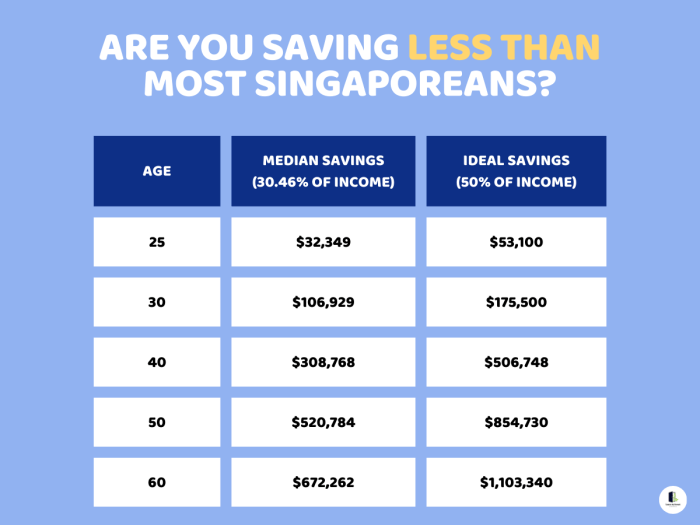
As a seasoned investor with a net worth of 3.2 million, it’s essential to diversify your income streams to ensure sustained financial growth and stability. Multiple streams of income not only provide a cushion against market volatility but also enable you to capitalize on emerging trends and opportunities.For individuals with a substantial net worth, creating passive income streams becomes a crucial aspect of wealth management.
This can be achieved through various forms of investment, business ventures, and real estate ownership.
Rental Properties and Real Estate Investment Trusts (REITs)
Rental properties and REITs offer a hands-off approach to generating passive income. By investing in property or shares of REITs, you can earn rental income or dividends with minimal managerial involvement. This strategy is ideal for those who value hands-off management and flexibility.
- Rental properties: A well-managed rental property can provide a steady stream of income, with potential for long-term appreciation in property values.
- REITs: REITs offer a liquid and diversified way to invest in real estate, providing a steady income stream through dividends.
- Real estate crowdfunding: Platforms like Fundrise and Rich Uncles allow individuals to invest in real estate development projects, providing a potential for higher returns.
- Apartment complexes: Investing in apartment complexes or multifamily properties can provide a steady income stream through rental income.
Dividend-Paying Stocks and Peer-to-Peer Lending, 40 years old 3.2 million net worth
Dividend-paying stocks and peer-to-peer lending offer another form of passive income, with lower risk than rental properties or real estate investment trusts.
- Dividend-paying stocks: Stocks like Johnson & Johnson, Procter & Gamble, and Coca-Cola offer a relatively stable dividend yield, providing a steady income stream.
- Peer-to-peer lending: Platforms like Lending Club and Prosper offer a way to lend money to individuals or small businesses, earning interest on your investment.
- Index funds and ETFs: Investing in index funds or ETFs can provide a diversified portfolio with potential for long-term growth and a steady income stream through dividends.
Business Ventures and Entrepreneurial Opportunities
Creating a side business or entrepreneurial venture can provide a scalable income stream, leveraging your skills and expertise to generate significant revenue.
- E-commerce store: Building an e-commerce store can provide a scalable income stream through sales and marketing efforts.
- Online courses or coaching: Creating online courses or offering coaching services can leverage your expertise, providing a potential for significant income.
- Software development: Creating software or mobile apps can provide a scalable income stream, with potential for licensing and royalty revenue.
Scalability, Diversification, and Tax Efficiency
To achieve multiple streams of income, it’s essential to focus on scalability, diversification, and tax efficiency.
- Scaling your business: Investing in automation, outsourcing, or hiring employees can help scale your business and income stream.
- Diversification: Investing in multiple assets, industries, and income streams can reduce risk and increase potential returns.
- Tax efficiency: Minimizing taxes through tax-advantaged accounts, like 401(k) or IRA, can help retain more of your income and investments.
- Develop a personal brand: Create a strong online presence through a professional website or blog, and establish a consistent tone and voice across all social media platforms.
- Nurture relationships: Attend industry events, participate in online communities, and engage in regular networking to build a robust professional network.
- Continuously learn: Pursue ongoing education and training to stay ahead of the curve and develop new skills.
- Trusts: Designed to hold and manage assets, trusts can provide tax benefits, asset protection, and flexibility in wealth distribution.
- Wills: A will Artikels how you want your assets to be distributed, appoints an executor, and specifies funeral arrangements.
- Powers of Attorney: Allows you to appoint someone to manage your financial and medical affairs if you’re unable to do so yourself.
- Gift Tax Exemptions: Utilize annual gift tax exemptions to transfer wealth to beneficiaries without incurring tax liabilities.
- Trusts: Set up trusts to hold assets, reducing tax liabilities and protecting wealth from creditors.
- Inheritance Tax Planning: Consider strategies to reduce or eliminate inheritance taxes, such as using trusts or charitable donations.
- Donor-Advised Funds: Allow you to contribute a lump sum, which can then be used to support multiple charities over time.
- Charitable Trusts: Enable you to transfer wealth to a trust that supports your favorite charities.
- Bequests: Include charitable donations in your will, ensuring ongoing support for your favorite causes after you’re gone.
Building a High Net Worth through Career Advancement and Professional Development

In today’s fast-paced and competitive job market, achieving a high net worth by age 40 requires more than just luck and hard work. It demands a strategic approach to career advancement and professional development. This involves ongoing education, networking, and skill-building, as well as a willingness to adapt and evolve in response to changing market needs. By mastering these skills, individuals can unlock new opportunities for financial growth and success.
Career advancement is not just about climbing the corporate ladder; it’s about creating a fulfilling and profitable career that aligns with one’s values and passions. A high net worth individual must be proactive in seeking out new challenges, building a professional network, and seeking mentorship opportunities. This may involve switching industries, taking on new roles, or starting their own businesses.
Best Practices for Career Advancement
To achieve their career goals, individuals with a high net worth must prioritize ongoing education and professional development. This may involve pursuing advanced degrees, attending industry conferences, or participating in online courses and training programs. They must also be strategic in building their professional network, attending networking events, and leveraging social media platforms to connect with other professionals in their field.
Leveraging Skills and Expertise for Financial Growth
Individuals with a high net worth can leverage their skills and expertise to create new revenue streams, invest in new ventures, or start their own businesses. This may involve offering consulting services, creating and selling online courses, or launching a side hustle that generates additional income. By monetizing their expertise, they can diversify their income streams and achieve greater financial freedom.
Building a Diversified Income Stream
To ensure a high net worth individual’s financial security, they must prioritize building a diversified income stream. This may involve investing in real estate, stocks, or bonds, as well as creating new revenue streams through their profession or entrepreneurial ventures. By spreading their risk across multiple income streams, they can minimize the impact of economic downturns and achieve greater financial stability.
Mentorship and Leadership Opportunities
High net worth individuals must be willing to share their expertise and experience with others, and to take on leadership roles within their industry. This may involve mentoring up-and-coming professionals, serving on industry boards, or participating in philanthropic efforts. By giving back to their community, they can build their personal brand, establish themselves as thought leaders, and create opportunities for others to learn from their experiences.
As Warren Buffett once said, “Price is what you pay. Value is what you get.” By prioritizing ongoing education, networking, and skill-building, high net worth individuals can unlock new opportunities for financial growth and achieve a higher standard of living.
Managing Wealth Transfer and Legacy Planning for a 3.2 million Net Worth
As you continue to build a significant net worth, it’s essential to consider how you’ll transfer your wealth to future generations. The right planning strategies can help ensure that your loved ones inherit your wealth in a tax-efficient manner, while also achieving your charitable goals and preserving your family’s legacy.Estate Planning Documents – ———————–
“A well-planned estate will not only protect your assets, but also ensure that your wishes are carried out after you’re gone.”
When it comes to transferring wealth, estate planning documents like trusts, wills, and powers of attorney play a crucial role. These documents enable you to specify how your assets will be distributed, manage your affairs in the event of incapacitation, and minimize tax liabilities.### Types of Estate Planning Documents
Tax Planning Strategies – ———————-Effective tax planning is critical when transferring wealth. Some key strategies to consider include:### Minimizing Tax Liabilities
Charitable Giving – —————-Giving back to the community through charitable donations can not only benefit your beneficiaries but also reduce your tax liabilities. Consider the following options:### Types of Charitable Giving
Success Stories – —————-Consider the following examples of successful wealth transfer and legacy planning strategies:### Case Study 1: Family Office ManagementA high-net-worth individual established a family office to manage their investments, finances, and philanthropic efforts. This allowed them to maintain control while leveraging the expertise of professionals, ultimately benefiting their beneficiaries.### Case Study 2: Legacy TrustsA business owner created a legacy trust to hold and manage their company’s assets, ensuring their children would inherit the business while minimizing tax liabilities.### Case Study 3: Charitable GivingA philanthropic individual donated a significant portion of their wealth to a charitable foundation, reducing their tax liability while leaving a lasting legacy.By incorporating these strategies into your wealth transfer and legacy planning, you’ll be able to maintain your high net worth while ensuring a secure financial future for your loved ones and achieving your charitable goals.
Expert Answers
What is the average net worth of a 40-year-old in the United States?
According to a recent survey, the average net worth of a 40-year-old in the United States is around $250,000. This includes assets such as savings, investments, and retirement accounts.
How do high-net-worth individuals manage their investments?
High-net-worth individuals typically have a well-diversified investment portfolio that includes a mix of low-risk investments, such as bonds and savings accounts, and higher-risk investments, such as stocks and real estate.
What are some common mistakes that can harm your financial progress?
Common mistakes include not budgeting, overspending, not saving for retirement, and not having a clear investment strategy.
How can I create multiple streams of income?
You can create multiple streams of income by investing in real estate, starting a side business, or creating an online course or product.
What role does budgeting play in achieving financial stability?
Budgeting is essential for achieving financial stability. It helps you track your income and expenses, identify areas for improvement, and make informed financial decisions.
